Topic: Drug Trade

19 chapters across the catalog

Mutants
Episode 1317 2:18 - 4:14

1317: Mutants

Netherlands Curfew Riots and Moped Drug Dealers

Riots in the Netherlands over COVID-19 curfews are reportedly being fueled by young moped-based drug dealers. These individuals are frustrated because the curfew prevents them from delivering products to customers who are staying home. The unrest is particularly noted among second and third-generation immigrant communities involved in the local drug trade.

Mask Debate
Episode 1264 17:33 - 22:42

1264: Mask Debate

Kodak Pharmaceutical Pivot, Defense Production Act Usage

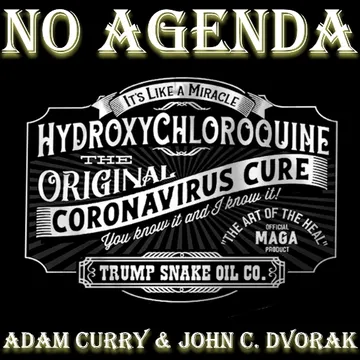
Donald Trump invoked the Defense Production Act for the 33rd time to grant Kodak a $765 million loan to produce generic drug ingredients in the United States. The deal aims to bring 25% of active pharmaceutical ingredient manufacturing back to domestic soil, specifically focusing on materials for hydroxychloroquine. Kodak's stock price surged significantly prior to the official announcement, raising concerns about potential insider trading.

Vasectomies & Dogs
Episode 1011 1:24:50 - 1:26:20

1011: Vasectomies & Dogs

Law Enforcement Culture in Broward County

An anecdote from a resident in Broward County describes a local police culture characterized by extreme caution and a reluctance to engage in proactive law enforcement. The speaker suggests that years of dealing with violent drug traffickers have made officers "gun shy" and more focused on minor infractions like parking tickets than serious criminal activity.

Force Majeur
Episode 885 1:55:41 - 1:57:53

885: Force Majeur

Afghanistan Opium Trade, UNODC Report, Eradication Failure

Opium production in Afghanistan has reportedly risen by 43% in the last year despite billions spent by the U.S. on eradication efforts. The hosts suggest that the military is effectively protecting poppy fields rather than destroying them, as the trade now accounts for 90% of the world's supply.

Divide & Ruin
Episode 793 1:55:53 - 1:58:22

793: Divide & Ruin

Drug Trafficking and Political Regulation, Clinton and Bush Families

The hosts discuss the history of alleged government involvement in drug trafficking, referencing Mina, Arkansas, and the Sinaloa cartel. They suggest that Donald Trump's "wall with a big door" policy is a move toward regulating and organizing the drug trade rather than stopping it. They argue that establishment candidates like Clinton and Bush are preferred by those who benefit from the current unorganized system.

Smart Power
Episode 765 2:23:44 - 2:25:18

765: Smart Power

Afghanistan Opium Production and Mexican Competition

Reports indicate that opium poppy acreage in Afghanistan is down 19%, potentially cutting output by half. The hosts attribute this shift to the rise of poppy cultivation in Mexico, suggesting the US no longer needs the Afghan supply. They speculate this decline in production may finally allow for a full US military withdrawal from Afghanistan.

Mipster Intercept
Episode 591 2:07:30 - 2:10:05

591: Mipster Intercept

Central African Republic Geography and Poppy Cultivation Theory

The Central African Republic is described as a lush, green, and water-rich environment, contrary to the dusty imagery often shown in news reports. This geography makes the region suitable for large-scale poppy cultivation, similar to Myanmar. The theory suggests that as military operations shift away from Afghanistan, the global drug trade may be relocating production to these fertile and politically unstable African territories.

Spy in a Bag
Episode 565 1:15:52 - 1:20:33

565: Spy in a Bag

UNODC Report, Afghanistan Opium Production and Record Harvests

The United Nations Office on Drugs and Crime (UNODC) reports that opium poppy cultivation in Afghanistan reached a record high in 2013. Cultivation increased by 36% over the previous year, with the farm-gate value reaching nearly $1 billion. The hosts note that the largest increases occurred in provinces where international military bases are located.

Furtive Movement
Episode 510 1:09:40 - 1:16:34

510: Furtive Movement

CIA Drug Trade, Mexico Security Policy Shift

The hosts theorize that President Obama's trip to Mexico was prompted by the Mexican government's decision to centralize security operations, potentially disrupting CIA-managed drug routes. The discussion links the global financial system to drug money laundering, citing the HSBC settlement as evidence.

Punch a Puppy!
Episode 458 1:21:01 - 1:24:29

458: Punch a Puppy!

Yemen Khat Trade and Drone Strike Rationale

A new theory is proposed suggesting that US drone strikes in Yemen are related to controlling the "khat" (Qat) drug trade rather than just counter-terrorism. Khat is a mild stimulant leaf chewed extensively in the region. Adam Curry's source claims the trade is massive in San Francisco and that the US is targeting specific tribes to monopolize or disrupt the drug routes.

Flying Upside Down
Episode 167 1:04:40 - 1:07:50

167: Flying Upside Down

Ron Paul, CIA Coup Allegations

Congressman Ron Paul stated during a Campaign for Liberty event in Atlanta that the CIA has effectively committed a coup against the US military. Paul alleged that the CIA operates as a government unto itself, funded by the Federal Reserve and involved in the international drug trade. The hosts discuss the significance of a sitting congressman making such bold claims.

Obama Sells Out To China
Episode 143 9:37 - 10:56

143: Obama Sells Out To China

CIA Payments to Ahmed Wali Karzai in Afghanistan

The New York Times reported that Ahmed Wali Karzai, the brother of Afghan President Hamid Karzai, has been on the CIA payroll for several years. Karzai is also an alleged major figure in the Afghan opium trade. This report follows earlier independent coverage of Karzai's business interests and alleged criminal activities in Afghanistan and the United States.

Unionize Everything
Episode 129 1:07:16 - 1:11:00

129: Unionize Everything

Afghanistan War Strategy and the Karzai Family Business

The war in Afghanistan is described as a long-term conflict that may last another 15 years. The hosts examine the influence of President Hamid Karzai's brothers, Mahmoud and Ahmed Wali Karzai, who reportedly control the country's cement industry, Toyota dealerships, and the opium drug trade while being protected by coalition forces.

Brain Damage
Episode 97 35:56 - 39:05

97: Brain Damage

Pakistan Instability, Taliban Drug Deals, Save Page As Technique

Chaos in Pakistan and Afghanistan is discussed, with reports of the U.S. military negotiating drug deals with the Taliban. Dvorak provides a technical tip on using the "Save Page As" function in web browsers to archive controversial news articles before they are removed or altered by mainstream media outlets.

Al Gore: The Most Dangerous Man Alive!!
Episode 80 29:14 - 30:57

80: Al Gore: The Most Dangerous Man Alive!!

Afghanistan Drug Trade, Hamid Karzai Allegations

An anecdote from an Afghan shopkeeper suggests that President Hamid Karzai is deeply involved in the global drug trade. The discussion posits that the war in Afghanistan is inextricably linked to the opium economy and that the "War on Drugs" serves as a profitable enterprise for various international actors.

Iridium Fluoride Marijuana and Pelosi's Puppies
Episode 76 13:36 - 15:06

76: Iridium Fluoride Marijuana and Pelosi's Puppies

American Gangster, Frank Lucas Vietnam War Drug Supply Chain

The film American Gangster serves as a starting point for a discussion on the historical drug trade involving Frank Lucas and U.S. military transport flights during the Vietnam War. Parallels are drawn to the current conflict in Afghanistan, suggesting that military presence often correlates with maintained drug supply chains.

Iridium Fluoride Marijuana and Pelosi's Puppies
Episode 76 18:51 - 22:20

76: Iridium Fluoride Marijuana and Pelosi's Puppies

Democratic Party War History, Afghanistan Conflict Strategy

An analysis of American political parties suggests that Democrats historically function as a "war party," citing the escalation of the Vietnam War under Kennedy and Johnson. The current strategy in Afghanistan is compared to Vietnam, with claims that the conflict is driven by the lucrative opium trade. The discussion argues that both parties prioritize "saving face" over strategic exits.

100 Billion Dollars!
Episode 56 12:52 - 16:09

56: 100 Billion Dollars!

CIA Capabilities and the Afghan Poppy Trade

The failure to capture Osama bin Laden is attributed by some to the gutting of the CIA during the 1990s, while others suggest the war in Afghanistan was a ruse to secure the global heroin supply. Under the Taliban, poppy production had been significantly reduced, but it surged back to full capacity following the U.S. invasion. This theory posits that drug money is a critical, hidden component of the global financial economy and Wall Street.