Topic: Khorasan

9 chapters across the catalog

R9X
Episode 1377 24:08 - 26:29

1377: R9X

ISIS-K Origins, Khorasan Province Geography

The emergence of ISIS-K (Khorasan) is analyzed in relation to Iranian influence, noting that Iran has historically been a primary promoter of suicide bombing tactics. The Khorasan province historically encompasses parts of northeastern Iran and northern Afghanistan. Reports from Tehran indicate significant economic frustration due to ongoing U.S. sanctions and the stalled Iran nuclear deal.


Threat Stream
Episode 688 44:05 - 49:01

688: Threat Stream

Al-Qaeda Technology and the Adaptive Enemy Narrative

Bob Baer warns of Al-Qaeda's advancing technology, specifically the use of PETN explosives in toner cartridges and the "hygroscopic" nature of the failed underwear bomber's device. Lieutenant General Mark Hartley describes the threat as an "adaptive enemy" capable of stealing police uniforms to infiltrate secure locations, emphasizing that individual "lone wolf" attacks are relatively easy to execute in the United States.

Aristocrats!
Episode 675 1:37:29 - 1:38:53

675: Aristocrats!

Disappearance of the Khorasan Group from News Cycles

The Khorasan Group, once described by intelligence officials as a high-profile terror threat in Syria, has largely disappeared from media coverage. Analysts suggest the group may have been a short-lived propaganda construct or a botched intelligence operation that was subsequently "swept under the rug."

Mirific!
Episode 659 1:41:31 - 1:45:17

659: Mirific!

Khorasan Group, Aviation Targets and Intelligence Narratives

Matthew Olsen identified the Khorasan Group as the most significant immediate threat to the West due to their focus on aviation targets and sophisticated bomb-making. The hosts point out that the group's Wikipedia page was created only recently, suggesting the "Khorasan" name is a manufactured label for veteran Al-Qaeda members in Syria.

Mirific!
Episode 659 2:00:28 - 2:09:23

659: Mirific!

ISIS Funding and Domestic Threats, The Dirty Dozen

A Chicago teenager was arrested at O'Hare Airport for allegedly supporting ISIS, sparking a discussion on the "Dirty Dozen" Americans fighting in Syria who hold U.S. passports. Congressman Ruppersberger claimed ISIS has a billion dollars and sophisticated social media, while warning that the Khorasan Group is developing plastic explosives that can bypass TSA screening.

Clog the Pipes
Episode 660 1:46:50 - 1:52:24

660: Clog the Pipes

ISIS Border Threats and Saudi Arms Sales

The hosts discuss reports from Judicial Watch claiming that four ISIS terrorists were arrested near the Texas-Mexico border. They also analyze recent U.S. arms sales to Saudi Arabia and the United Arab Emirates totaling nearly $3 billion. Curry suggests the focus on the "Khorasan Group" is a rebranding effort to justify continued military intervention in Syria.

It's a Glitch!
Episode 658 2:01:16 - 2:08:08

658: It's a Glitch!

Khorasan Group Emergence, Rear Admiral John Kirby

The U.S. government identified the "Khorasan Group" as a primary target for airstrikes in Syria, despite the group being virtually unknown to rebels on the ground. Pentagon spokesman Rear Admiral John Kirby dismissed claims that the group was "fancified" to justify military action. NPR reports that the group posed a threat of using hard-to-detect bombs on airplanes.

Network of Death
Episode 655 51:24 - 57:55

655: Network of Death

Khorasan Group, Wikipedia Page Creation

The sudden emergence of the "Khorasan Group" in intelligence briefings is met with skepticism, noting that the group's Wikipedia page was created only days before the news broke. John Kerry claims the group had "active plots" against the U.S., but the hosts suggest the group was manufactured to justify military action.

Preemptive Prosecution
Episode 626 1:59:48 - 2:04:19

626: Preemptive Prosecution

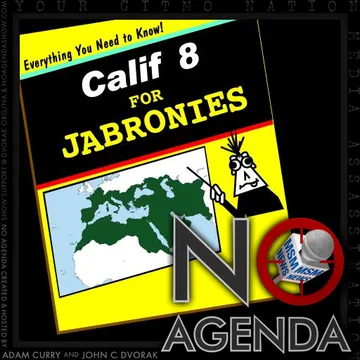
Abu Bakr al-Baghdadi and the Embryonic Islamic State

ISIS leader Abu Bakr al-Baghdadi is described as an enigmatic and charismatic figure with bona fide religious credentials, distinguishing him from previous Al-Qaeda leaders. The Soufan Group's analysis suggests that ISIS is attempting to establish an "embryonic state" or Caliphate stretching from Central Asia to North Africa. The group's financial independence, bolstered by seized oil fields and bank assets, makes it the richest terrorist organization in history.