Topic: Almonds

9 chapters across the catalog

Lunchbox
Episode 1813 2:28:17 - 2:33:47

1813: Lunchbox

Chocolate Labeling Changes and Cocoa Butter Substitutes

Major candy brands like Almond Joy and Mr. Goodbar have subtly changed their labeling from "milk chocolate" to "chocolate candy" or "chocolatey." This shift occurs because manufacturers are replacing expensive cocoa butter with alternative fats like palm oil, which disqualifies the products from the FDA's strict definition of milk chocolate. The hosts warn consumers that "mouth appeal" is being prioritized over traditional ingredients due to rising cocoa costs.

Ninja Variant
Episode 1467 2:19:08 - 2:25:52

1467: Ninja Variant

Almond Water Usage Myth, Dairy Lobby Influence

The hosts investigate the claim that it takes 1.1 gallons of water to grow a single almond. They suggest the statistic is a "myth" potentially propagated by the dairy lobby to discredit almond milk, noting that all nut trees and fruit crops require significant water and that almond shells are used for biomass fuel and cattle feed.

Bo Jo No Mo
Episode 1466 47:17 - 50:55

1466: Bo Jo No Mo

Oregon Livestock Ballot Initiative, Almond Water Usage

A 2024 ballot initiative in Oregon aims to modify animal abuse exemptions, potentially making livestock farming illegal in the state. Separately, the environmental impact of almond farming is debated, with claims that one almond requires 1.1 gallons of water being disputed by traditional farmers in Portugal who claim the trees require minimal irrigation.

Sloganeer
Episode 1220 2:41:24 - 2:45:55

1220: Sloganeer

European Farmer Protests and Milk Substitutes

European farmers are protesting major cuts to agricultural subsidies and restrictive climate change policies. The hosts discuss the "milk is murder" movement popularized by celebrities like Joaquin Phoenix and criticize the proliferation of nut-based milk substitutes, which they argue are environmentally taxing and unpalatable.

Balderdash!
Episode 1192 1:16:40 - 1:20:01

1192: Balderdash!

No Agenda Stream, Nut Sap, and Millennial Milk Trends

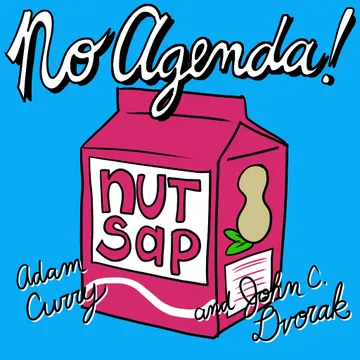
The hosts promote the No Agenda Stream and the Gitmo list before discussing the decline of traditional dairy consumption. They mock the millennial preference for "nut sap" or "nut slurry" (plant-based milks), debating the ingredients used to keep these liquids in suspension. The segment includes a humorous exchange about the "cow pus" narrative often used by activists to discourage drinking cow's milk.

No Sweat
Episode 1191 2:42:46 - 2:45:20

1191: No Sweat

Dean Foods Bankruptcy, Decline of Milk Consumption

Dean Foods, the largest milk producer in the United States, has filed for bankruptcy. The company's decline is attributed to a 40% drop in U.S. milk consumption since 1975 as consumers shift toward soda, juice, and plant-based alternatives like almond and soy "milk." The loss of local brands like Berkeley Farms is noted as a consequence of the company's financial failure.

Q-Vision
Episode 1056 1:39:06 - 1:41:46

1056: Q-Vision

FDA Milk Labeling, Plant-Based Dairy Alternatives

FDA Commissioner Scott Gottlieb is considering enforcing federal standards that define "milk" as a product derived from healthy cows. This would potentially force manufacturers of soy and almond beverages to change their labeling. The National Milk Producers Federation supports the move, while critics argue that modifiers like "soy" or "almond" are sufficient to prevent consumer confusion.

LaGarde's List
Episode 450 2:55 - 4:34

450: LaGarde's List

Healthy Surprise, Coco Roons, Raw Food Labeling

A discussion regarding a shipment from Healthy Surprise highlights the labeling of "Coco Roons." The product claims to be raw despite containing California almonds that must be pasteurized by law. The hosts question the logic of how a product remains "raw" after the pasteurization process.

Health Code Violation
Episode 98 54:44 - 59:58

98: Health Code Violation

Cyanide Properties, Almond Aroma and Apple Seeds

John C. Dvorak explains the chemical properties of cyanide, noting its presence in apricot pits and apple seeds. He describes the characteristic almond scent of the poison and warns against consuming large quantities of apple seeds due to health risks.