Topic: Mokhtar Belmokhtar

8 chapters across the catalog

The Great Clip Show
Episode 822 2:00:47 - 2:07:57

822: The Great Clip Show

Al-Qaeda Expense Reports, Mokhtar Belmokhtar, Terrorist Bureaucracy

The Associated Press discovered a letter in Mali revealing that Al-Qaeda functions as a highly structured bureaucracy that requires commanders to file monthly expense reports. The letter criticizes commander Mokhtar Belmokhtar for failing to submit reports, missing meetings in Timbuktu, and "discounting" ransoms for Canadian diplomats. The hosts mock the "corporate" nature of the terrorist organization and its "Chief Revenue Officer" style of management.

Climate Justice Cancelled
Episode 776 2:33 - 6:23

776: Climate Justice Cancelled

Mokhtar Belmokhtar, Al-Murabitun Group Rebranding in Mali

French and Libyan authorities investigate the involvement of Mokhtar Belmokhtar in the Radisson Blu hotel attack in Mali. Despite reports of his death in a previous US air strike, his group Al-Murabitun claimed responsibility alongside Al-Qaeda. Retired Lieutenant Colonel Rudolf Atala of the Atlantic Council provides analysis on the group's efforts to link with Al-Qaeda central and distance itself from regional offshoots.

Huge Samoan
Episode 541 1:33:57 - 1:36:36

541: Huge Samoan

Mokhtar Belmokhtar, Jihadist Alliances in North Africa

Jihadist leader Mokhtar Belmokhtar, previously reported dead, has surfaced in a statement announcing a merger between his followers and the MUJAO group in West Africa. The new alliance, known as the Al-Murabitun, vows to support Islamists in Egypt and confront "Zionist campaigns" across North Africa. The report originated from the SITE Intelligence Group, which monitors extremist communications.

Chubby Hitler
Episode 517 2:11:57 - 2:20:09

517: Chubby Hitler

Al-Qaeda Expense Reports, Mokhtar Belmokhtar and AP Letter Discovery

The Associated Press discovered a letter in Mali purportedly from Al-Qaeda leadership criticizing commander Mokhtar Belmokhtar for his poor administrative skills. The letter reveals a highly structured corporate-style organization that requires monthly expense reports and quibbles over ransom amounts. Belmokhtar was reportedly scolded for failing to pull off "spectacular" operations and for being difficult to manage, painting a picture of jihadist groups as bureaucratic entities.

Pet Food Stamps
Episode 492 2:31:55 - 2:35:44

492: Pet Food Stamps

Mokhtar Belmokhtar, Al-Qaeda in the Islamic Maghreb

Conflicting reports regarding the death of Al-Qaeda commander Mokhtar Belmokhtar, also known as the "Marlboro Man," are examined. The hosts question the validity of DNA identification claims made by Algerian and Chadian authorities. They note that Belmokhtar has been reported dead multiple times in the past, suggesting the current reports may be a hoax.

Media Harmonization
Episode 482 13:41 - 15:20

482: Media Harmonization

Mokhtar Belmokhtar, CIA Ties and Mali Coup

The discussion focuses on Mokhtar Belmokhtar, known as "Mr. Marlboro," and his alleged historical ties to the CIA dating back to 2003. Connections are drawn between regional instability and the 2012 Mali coup led by Amadou Sanogo, who received military training in the United States at Quantico.

War on Brains
Episode 480 47:49 - 51:56

480: War on Brains

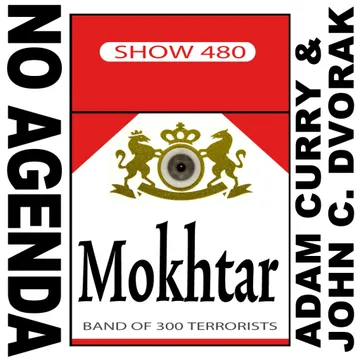
Mokhtar Belmokhtar, Al-Qaeda and Mr. Marlboro

Mokhtar Belmokhtar is identified as the mastermind behind recent attacks in Algeria and Mali. Known by the nickname "Mr. Marlboro" due to his history of cigarette smuggling, he is a one-eyed veteran of the 1990s conflicts. The hosts suggest he may have ties to the CIA dating back to 2003, following a pattern of Western-backed militants becoming future adversaries.

War on Brains
Episode 480 51:58 - 59:10

480: War on Brains

Media Branding, One-Eyed Warlords and Screenplay Ideas

The hosts analyze the media's "branding" of Mokhtar Belmokhtar, noting his cinematic qualities such as his glass eye and his battalion's name, "Those Who Sign in Blood." They joke about writing a screenplay or treatment for a movie titled "Smoke Him If You Got Him." The discussion highlights how news organizations build up "bad guy" personas to fit a narrative.