Topic: Ultra Processed Food

8 chapters across the catalog

Donroe Doctrine
Episode 1831 1:42:31 - 1:48:51

1831: Donroe Doctrine

San Francisco Lawsuit, Ultra-Processed Foods and Big Tobacco

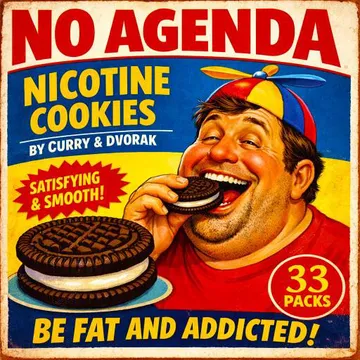
San Francisco is suing 11 major food companies, alleging that ultra-processed foods are intentionally designed to be addictive. The lawsuit claims that when tobacco giants like Philip Morris and R.J. Reynolds acquired food companies like Kraft in the 1970s, they applied tobacco-industry "addiction playbooks" to products like Lunchables and Hawaiian Punch. Researchers argue these foods trigger the same brain responses as narcotics.

Kohanna
Episode 1822 2:33:07 - 2:37:37

1822: Kohanna

San Francisco Big Food Lawsuit, Ultra-Processed Foods

San Francisco has filed a first-of-its-kind lawsuit against 10 major food companies, including Coca-Cola and Nestle, for marketing harmful ultra-processed foods. The city alleges these companies used "Big Tobacco" tactics to design addictive products that contribute to chronic illnesses like diabetes and heart disease. The lawsuit claims the industry knowingly targeted children with cartoon mascots.

Bible Belt Buckle
Episode 1818 2:28:06 - 2:34:31

1818: Bible Belt Buckle

Global Shellfish Shortage, Ultra-Processed Foods, Lancet Study

Japan is facing an unprecedented die-off of oysters and scallops attributed to rising water temperatures and salinity levels, which is expected to drive up global prices. Simultaneously, a major study published in The Lancet linked ultra-processed foods to a wide range of health issues, including cancer, diabetes, and early death. The study's authors argue that transnational food corporations engineer products to be addictive, leading to a public health crisis that now rivals tobacco in its impact.

Queer The Deal
Episode 1768 51:54 - 57:21

1768: Queer The Deal

Leana Wen Critiques MAHA Report, Chemicals as Calories Claim

Dr. Leana Wen discussed the "Make Our Children Healthy Again" (MAHA) report on CNN, agreeing with Robert F. Kennedy Jr. on the dangers of ultra-processed foods. However, she drew scrutiny for claiming that 60% to 70% of the calories Americans consume are "chemicals," a phrasing that conflates caloric energy with chemical additives. Wen also warned that Kennedy’s skepticism toward childhood immunizations remains a point of major contention in the medical community.

HiFi Intel
Episode 1747 2:37:02 - 2:41:41

1747: HiFi Intel

Seed Oil Controversy, RFK Jr. and Nutrition Science

Robert F. Kennedy Jr.'s campaign against seed oils is met with pushback from nutrition scientists at Stanford and Tufts. While Kennedy argues seed oils fuel obesity, some researchers claim they are "healthy fats" and that the real problem is ultra-processed foods and refined grains. Kennedy also aims to reform the "GRAS" (Generally Regarded As Safe) designation for food additives.

Authentified
Episode 1687 1:58:11 - 2:09:04

1687: Authentified

Calley Means on Food Industry, Tobacco Company Tactics

Former lobbyist Calley Means appeared on Tucker Carlson's show to discuss how the tobacco industry, specifically Philip Morris and R.J. Reynolds, bought major food companies in the 1980s. Means claims these companies applied cigarette addiction science to ultra-processed foods and rigged the USDA food pyramid to favor sugar and carbs. He argues the healthcare industry benefits from the resulting chronic illnesses in children.

Spaving
Episode 1658 37:23 - 41:19

1658: Spaving

American Diet, Rat Experiments and Ultra-Processed Food

Professor Paul Kenny of Mount Sinai conducted a study where rats raised on whole foods maintained healthy weights, but quickly became obese when introduced to an "American diet" of bacon, Snickers, and cheesecake. The experiment revealed that once the rats were addicted to processed foods, they refused to eat healthy options even when starving. This research suggests that modern manufactured food undermines natural nutritional wisdom, creating an artificial problem that drugs like Ozempic are now used to "fill."