Topic: Internet License

6 chapters across the catalog

Blast Wave Accelerator
Episode 578 7:31 - 10:00

578: Blast Wave Accelerator

University of Minnesota Gopher Server Licensing Dispute

The University of Minnesota attempted to charge a $5,000 commercial licensing fee for the use of a Gopher server hosted at MTV.com in the early 1990s. To resolve the dispute, a deal was struck where the fee was waived in exchange for a VJ wearing a University of Minnesota Gopher t-shirt on-air. This event highlighted the early friction between academic internet protocols and emerging commercial interests.
Hail the Foot
Episode 310 1:51:00 - 1:55:55

310: Hail the Foot

FCC Internet Regulation and Podcast Licenses

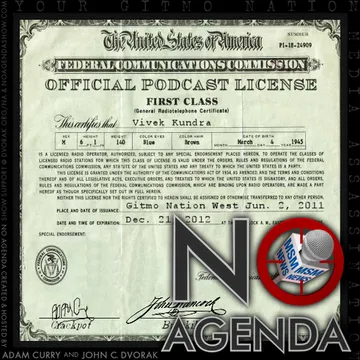
The Virginia Attorney General warns that the FCC is moving to regulate the internet despite a 2010 court ruling stating they lacked the authority to do so. This move is described as a "brazen disregard for the rule of law" by the Obama administration. In response, the hosts promote their "podcast licenses" as a humorous way for creators to claim authorization when government regulators eventually "knock on the door."

Syria Be Next
Episode 309 1:06:01 - 1:13:10

309: Syria Be Next

Hacker Meme and the Budapest Convention

The hosts argue that the media is aggressively propagating a "hacker meme" to justify increased internet regulation and the Budapest Convention. They cite the hacking of PBS and Anthony Weiner's claims as examples used to make the public fearful of online security threats.

US-EU Framework Agreement
Episode 307 51:29 - 54:57

307: US-EU Framework Agreement

Internet Licensing, Podcast Regulation in France

Authorities in France are discussing the implementation of an internet podcast license, which would require creators to pay fees and fill out paperwork. This move is compared to the early days of radio regulation in the 1910s. The hosts suggest that having multiple domain names will help bypass potential DNS captures or government shutdowns of independent media.

Billion Dollar Riot
Episode 212 1:52:12 - 1:54:34

212: Billion Dollar Riot

National Strategy for Trusted Identities in Cyberspace

The Department of Homeland Security proposes the National Strategy for Trusted Identities in Cyberspace (NSTIC), which would create a centralized identity system for the internet. The hosts warn that this could lead to a requirement for government-approved IDs to post online or shop.

What do you call Soy milk?
Episode 207 1:40:45 - 1:42:22

207: What do you call Soy milk?

UK TV Licensing and BBC Top Gear

In the United Kingdom, residents are required to pay a 142-pound annual TV license fee, which now applies to anyone with an internet connection regardless of television ownership. The fee supports the BBC, which is praised for producing high-quality content like Top Gear. The show's lack of commercial sponsors allows for honest, often brutal reviews of vehicles, such as the Ford F-150.