Topic: Compounding Pharmacies

12 chapters across the catalog

Kennel Index
Episode 1874 2:06:17 - 2:12:53

1874: Kennel Index

Testosterone Therapy, Compounding Pharmacies, and "Punk'd"

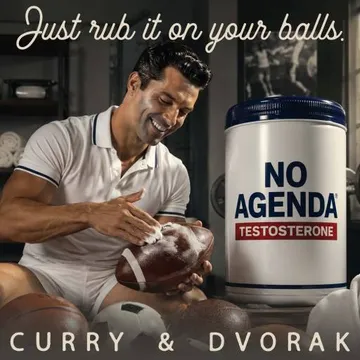
One host recounts a disastrous experience with testosterone therapy from a compounding pharmacy, where his levels actually dropped after months of treatment. A humorous revelation occurs when it is discovered he was instructed to rub the cream on his testes, which the other host claims is completely incorrect and likely a "prank" by the pharmacy. They call for a real doctor to clarify the proper application of hormone treatments.

Nurse Injector
Episode 1741 1:27:26 - 1:33:09

1741: Nurse Injector

Black Market Ozempic and Pharmaceutical Industry Warnings

Mainstream media outlets are running segments warning against the use of "black market" or compounded GLP-1 drugs like Ozempic. A segment on WGN featured a "nurse injector" discussing the dangers of incorrect dosages, citing a UK Big Brother contestant who became ill after taking five times the recommended amount. The pharmaceutical industry is reportedly attempting to shut down compounding pharmacies now that the official supply chain has stabilized.

Freedom Force
Episode 1693 1:49:43 - 2:02:11

1693: Freedom Force

Executive Producer Donations, Knighting Ceremony and 33s

A segment dedicated to acknowledging high-tier donors includes a discussion on the recurring appearance of the number 33 in media and the pandemic. A producer from California warns about state efforts to shut down compounding pharmacies, which provide essential treatments like Glutathione for firefighters. The segment concludes with the knighting of "Sir Cotton Gin."

Impusted
Episode 1688 2:15:13 - 2:23:44

1688: Impusted

Ozempic Shortage, NPR Compounding Pharmacy Report

Adam Curry deconstructs an NPR report on the "Ozempic town" of Bowling Green, Kentucky. He accuses NPR of carrying water for Big Pharma by casting doubt on the safety of cheaper, compounded versions of GLP-1 drugs. Curry argues that the media is attempting to protect brand-name profits by scaring low-income users away from off-brand alternatives.

Fat Leonard
Episode 1618 2:16:33 - 2:19:20

1618: Fat Leonard

Pharmacy Benefit Managers and Semaglutide Pricing

The high cost of Ozempic in the U.S. is attributed to Pharmacy Benefit Managers (PBMs) who manipulate drug coverage and pricing. While the drug is patented until 2026, some patients are using compounded versions mixed with Vitamin B12 to save money, though the U.S. price remains significantly higher than in other countries.

Twerkin' Russians
Episode 1617 1:31 - 4:33

1617: Twerkin' Russians

GLP-1 Drugs, Pharmaceutical Industry Knockoff Rhetoric

A discussion of semaglutide and GLP-1 drugs focuses on the 1500% increase in reported overdoses. The narrative highlights how mainstream media outlets like CNN and ABC use the term "knockoffs" to describe compounded or generic versions of the drugs. The pharmaceutical industry's patent on the dosage dial is identified as a key factor in their marketing strategy against compounding pharmacies.

Buying Quiet
Episode 1616 1:48:05 - 1:52:19

1616: Buying Quiet

Compounded Ozempic Shortages and Poison Control Warnings

CNN's Sanjay Gupta reports a 1,500% increase in accidental overdoses of injected weight loss drugs. The report specifically targets compounding pharmacies that create alternative versions of Ozempic during shortages, warning that these versions are not tested for safety or efficacy.

Gerontocracy
Episode 1577 26:57 - 29:35

1577: Gerontocracy

Ozempic Side Effects and Stomach Paralysis Reports

Reports of gastroparesis, or stomach paralysis, have emerged among users of weight loss drugs like Ozempic and Wegovy. Dr. Darien Sutton explained that while these medications work by slowing gastric emptying, some patients experience severe complications requiring hospitalization. Despite these reports, medical contributors maintain that larger studies have not yet proven a definitive cause-and-effect relationship beyond the general population.

Pocket Pardon
Episode 1563 1:00:02 - 1:04:32

1563: Pocket Pardon

Inside the Weight Loss Drug Industry

A pharmaceutical industry insider provides a breakdown of the differences between Ozempic and Wegovy, noting they are the same molecule (Semaglutide) but dosed differently for diabetes versus obesity. The source explains insurance hurdles, the "Ozempic face" phenomenon, and warns that compounding pharmacies are not sourcing their Semaglutide from the patent holder, Novo Nordisk.

Star Butler
Episode 1561 2:30:35 - 2:32:59

1561: Star Butler

Ozempic Shortage, FDA Compounding Warning

The FDA issued a warning against using compounded versions of diabetes and weight loss drugs like Ozempic and Wegovy due to a nationwide shortage. The hosts argue this is a recurring attack on compounding pharmacies to protect the interests of major pharmaceutical advertisers who sell the brand-name versions at higher prices.

Hate-Spewing Hashtags
Episode 553 2:31:22 - 2:35:42

553: Hate-Spewing Hashtags

Drug Quality and Security Act, Pharmacy Compounding and Fred Upton

The Drug Quality and Security Act (HR 3204), sponsored by Representative Fred Upton, is criticized for threatening the traditional pharmacy compounding industry. The bill prevents pharmacies from compounding drugs that are "essentially copies" of approved commercial products, potentially raising prices from $20 to $1,200 for medications like progesterone. The hosts argue that Big Pharma is using isolated contamination cases to eliminate competition from natural hormone treatments.

Episode 456 2:16:27 - 2:24:31

456: Sell-ah-bretties

Meningitis Outbreak, War on Compounding Pharmacies

A fungal meningitis outbreak linked to contaminated steroids from the New England Compounding Center leads to a federal investigation. The hosts argue this event is being used by Big Pharma and the FDA to shut down independent compounding pharmacies. They claim the goal is to eliminate low-cost generic alternatives and force patients onto expensive synthetic drugs.